
A systems perspective
The video features contributions from Floor Hoogenboezem, Olga Ioannou, and Gert-Willem van Mourik.
Their discussion explores what it takes to enable biobased innovation within the broader construction system. They argue that moving from a linear to a circular and biobased model requires more than developing new materials: it calls for new questions, new forms of collaboration, and a willingness to challenge established roles and ways of working. Innovation also needs the right conditions to flourish, including spaces for experimentation, supportive policies and funding, and networks that can connect research to practice. In this context, the uncertainties associated with biobased materials can become opportunities to rethink “business as usual” and to recognize how materials themselves can inform design decisions. Ultimately, systemic change emerges through collaboration and learning by doing—by demonstrating what is possible rather than simply describing it.
Main Takeaways
- Enabling the transition from a linear to a circular model begins with asking new questions and challenging established assumptions. Collaboration among actors such as architects, governments, and consultants is key to creating new imaginaries, embracing new roles, and breaking down existing barriers.
- Research requires both intellectual and physical spaces in which to flourish. It also needs a supportive context, enabled by proactive policies, research and innovation funding, and networks of people who can contribute to, support, and disseminate new knowledge.
- Innovation with biobased materials introduces many uncertainties, but it also challenges established “business-as-usual” practices. Recognizing material agency allows materials to actively inform the design process, opening up different ways of thinking, designing, and acting.
- The way forward is through learning by doing. Showing what is possible, rather than simply telling, is key to driving change.
Contributors
Floor Hoogenboezem is the programme manager of Biobased Boulevard at The Green Village, a field lab for sustainable innovation in the built environment on the campus of TU Delft. Floor, a trained and certified architect, envisions a future defined by circular and biobased materials. At The Green Village, she accelerates biobased and circular innovations. Collaborating with researchers, students, builders, municipalities, architects, product designers, and many other dedicated individuals, she engages in hands-on 1:1 innovative test set-ups, where challenges are broken down into manageable and digestible concepts.
Olga Ioannou is Assistant Professor at the department of Architectural Engineering and Technology (AET), and the co-leader of the Circular Built Environment (CBE) Hub of the Faculty of Architecture and the Built Environment at TU Delft. Her work explores circular and regenerative design, more-than-human perspectives, and the role of materials in shaping ecological and social futures. With a particular interest in material innovation and systems thinking, she investigates how design can contribute to environmental regeneration and responsible resource use. Her research engages with themes including circular and regenerative design practices, biodesign, ecological literacy, and design for sustainability.
Gert-Willem van Mourik is Transition Manager for Circular Construction at the Province of South Holland. In his role at the province, he tries to contribute as much as possible to the transition agenda by making it known to fellow civil servants and administrators at all levels, and by translating it into policy and implementation. In this way, the team contributes to various projects, is working on subsidies, and on adding biobased requirements to housing construction agreements.
Author
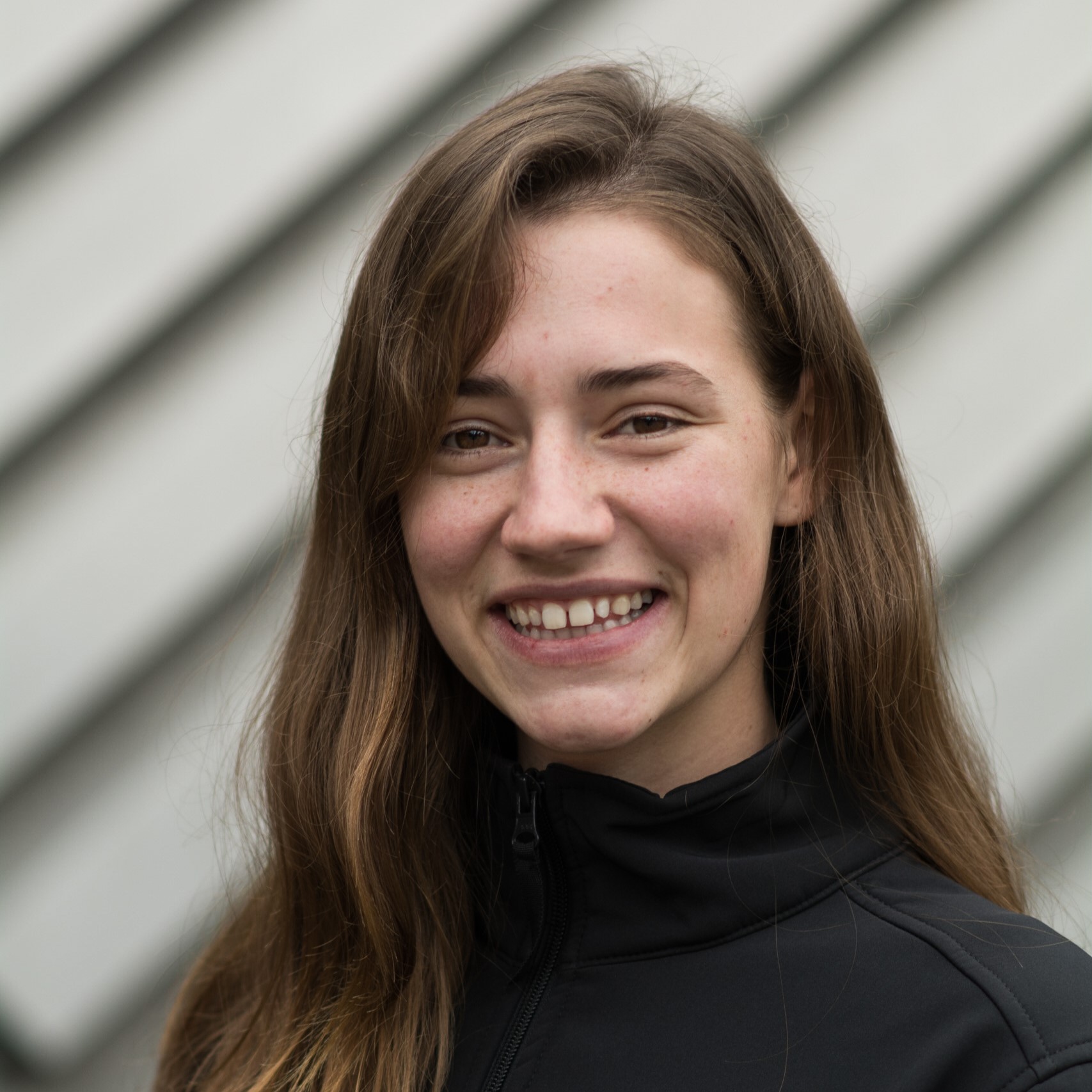
Kim Sinnige
Architect
Ir. Kim Sinnige has been working for the Circular Impulse Initiative within the CBE Hub since 2022. She graduated cum laude from the faculty of Architecture and the Built Environment at TU Delft in 2023. Her master thesis explored the embedding of circular values into a Waste-to-Energy plant through storytelling, Material Flow Analysis and design. She completed her bachelor with honors at the faculty of Architecture and the Built Environment at TU Eindhoven in 2018. Between her degrees, she has worked in architecture offices in Utrecht and Arctic Norway.
- Farming
- Experimenting in the lab
- Designing
- Designing building products
- Manufacturing
- Business models & Marketing
- Enabling change
value chain
