
A material-driven design perspective
In this video, Bahareh Barati (Assistant Professor at TU/e) and Erik Swaagstra (Mycelium Material) present their projects and reflect on their approach to material-driven design. They argue that by remaining open and attentive to how materials—particularly living ones such as mycelium—behave and perform, designers can unlock new forms and functions.
A material driven design perspective
Main Takeaways
- Material-driven design and biodesign—such as cultivating microorganisms with various substrates—reflect a growing community of designers who treat waste streams and by-products as valuable material resources. Rather than starting from a conventional design brief, this approach begins with the inherent properties of materials and explores their potential. For example, certain mycelium-based materials are naturally fire-retardant and, when formed into panels, can also be lightweight—qualities that make them promising for both interior and exterior building applications.
- Experimenting with living organisms and organic substrates can result in the development of strong, innovative materials. However, this represents only an initial step within a complex and still underexplored process. Designing viable products with such materials requires consideration of factors like seasonal variations in material supply, as well as social influences that may impact business models and economic feasibility.
- Living materials differ from conventional technical materials in that they are inherently unpredictable. Yet, this variability can be embraced as a design opportunity. For instance, the way these materials age over time can produce unique textures and patinas, adding aesthetic and experiential value.
- Scaling up production remains a major challenge. Growth-based materials are deeply tied to the specific environmental systems in which they are cultivated, making large-scale replication difficult, if not unfeasible, using current methods.
Further Reading
- Karana, E., Barati, B., Rognoli, V. & Zeeuw van der Laan, A.. (2015). Material Driven Design (MDD): A Method to Design for Material Experiences. International Journal of Design, 9(2). https://www.ijdesign.org/index.php/IJDesign/article/view/1965
Contributors
Bahareh Barati is an Assistant Professor in the Making-with Cluster and co-founder of the Material Aesthetics Lab in the Department of Industrial Design at Eindhoven University of Technology. Her research explores the intersections of Material-Driven Design, Biodesign, and More-than-Human design, with the aim of repairing our connection with nature and materializing alternative ways of relating and cohabiting in more-than-human worlds. Her work emphasizes bio-digital fabrication technologies and computational tools to support transitions toward regenerative modes of making and living. Bahar regularly publishes in design and engineering journals, as well as in Human–Computer Interaction venues including CHI and DIS.
Erik Swaagstra is a founder of Mycelium Material, a company developing circular, bio-based materials grown from mushroom mycelium. The company was born from the belief that future materials can be grown sustainably, using mycelium cultivated on agricultural by-products, minimizing environmental impact while rigorously testing material performance. Swaagstra started the venture with a partner from the mushroom cultivation sector to explore mycelium’s potential as an eco-friendly alternative to conventional materials, emphasizing symbiotic partnerships and innovation in circular material systems.
Author
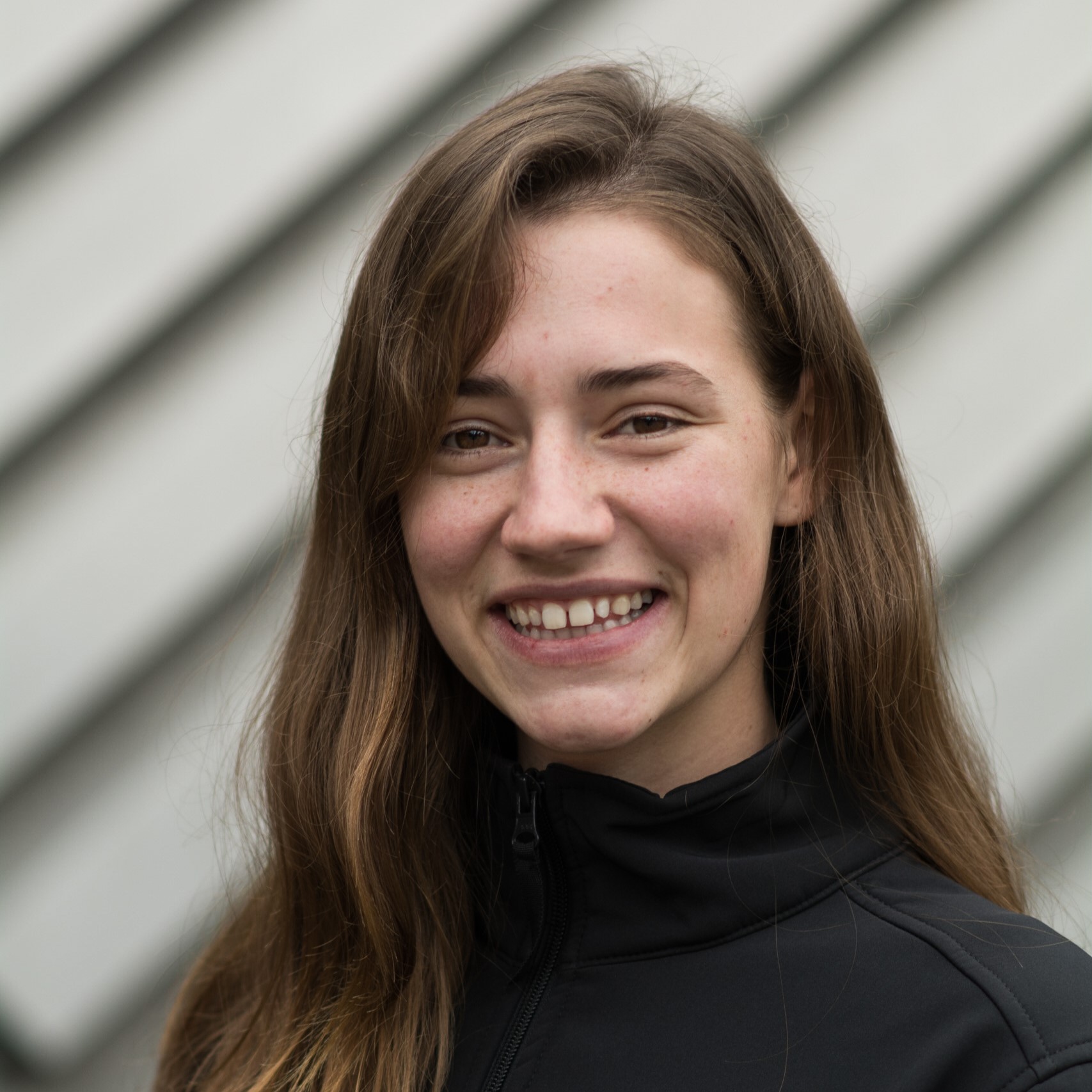
Kim Sinnige
Architect
Ir. Kim Sinnige has been working for the Circular Impulse Initiative within the CBE Hub since 2022. She graduated cum laude from the faculty of Architecture and the Built Environment at TU Delft in 2023. Her master thesis explored the embedding of circular values into a Waste-to-Energy plant through storytelling, Material Flow Analysis and design. She completed her bachelor with honors at the faculty of Architecture and the Built Environment at TU Eindhoven in 2018. Between her degrees, she has worked in architecture offices in Utrecht and Arctic Norway.
- Farming
- Experimenting in the lab
- Designing
- Designing building products
- Manufacturing
- Business models & Marketing
- Enabling change
value chain
